
Prevention
It is globally acknowledged that prevention is better than cure and yet most health systems spend less than 1% of their budgets on preventative approaches. A preventative approach can help reduce healthcare costs, improve patient outcomes, and decrease the burden on healthcare systems.

Individual, Health System, and Societal Impacts of Anti-seizure Medicine Use During Pregnancy
23 January 2024
Explore the implications of in utero exposure to anti-seizure medications (ASMs), the heightened risks of developmental problems and physical disabilities. The economic impact associated with conditions like epilepsy, stressing the urgent need for detailed risk profiles and data collection to guide interventions and reduce the societal costs linked to ASM use during pregnancy.

Could Plant-based Diets Transform Health Care Spending?
8 January 2024
In a bid to reduce health care budgets, policymakers and healthcare professionals are increasingly looking to prevention strategies.

A switch to vegan diets could save the NHS £6.7 billion per year, new research reveals
8 January 2024
A new study by the Office of Health Economics shows that with 100% adoption of plant-based diets in England, the total health care cost savings for…

Reimagining Prevention for a Healthier, More Prosperous Society
1 November 2023
Prevention is a key strategy for improving health outcomes and reducing health inequalities. This webinar will discuss the key recommendations for mobilising the agenda, as outlined in the OHE prevention report.
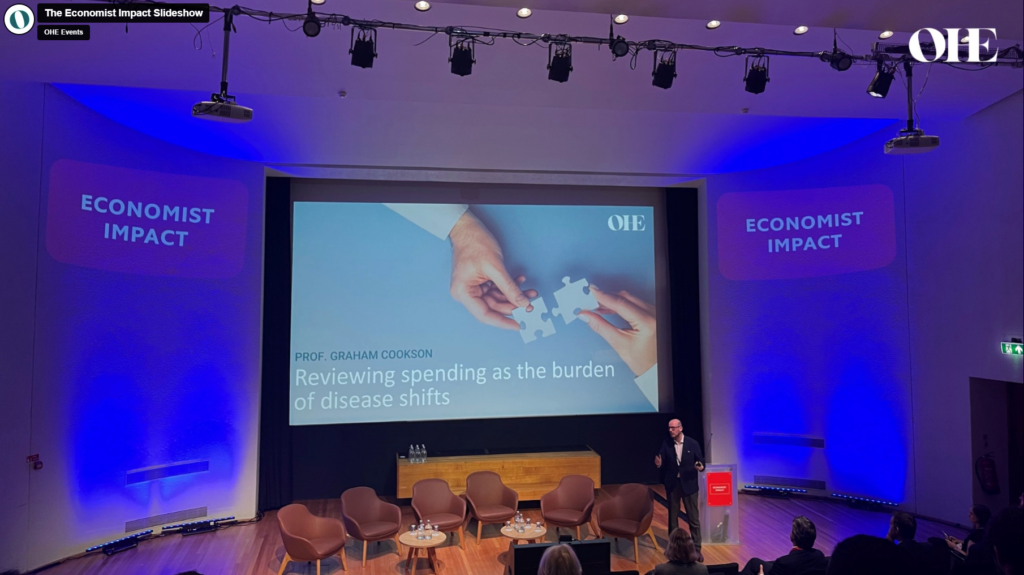
An eye on sustainability at the Economist’s Future of Health Europe
30 October 2023
Learn more about how the topic of sustainability was tackled by a broad range of speakers and the key themes which emerged.

Reimagining Prevention for a Healthier, More Prosperous Society
12 October 2023
In this report, we highlight the significance of prevention as a cost-effective and often cost-saving investment for public sector resources. Prevention, covering primary, secondary, and tertiary measures, can help to reduce ill health, improve healthcare capacity, and increase wider economic growth.